Overspray Removal
Removing overspray from vehicles and surfaces to restore original appearance.
Overspray removal in San Jose, CA, targets embedded paint particles and industrial contaminants that resist normal washing, often left by nearby construction or automotive projects.
Unlike surface dirt, these contaminants bond to clear coats and require targeted chemical treatments and mechanical lift to restore a smooth finish without damaging the underlying paint. Proper removal prevents long-term paint etching and maintains the vehicle’s appearance.
We also handle Headlight Restoration & Coating and Fleet & Commercial Vehicle Coating for San Jose vehicles.
When overspray needs removal
Overspray and industrial contaminants often appear as tiny specks or gritty textures that persist after washing. Unlike loose dirt, these particles embed into the clear coat, especially on lighter paint colors, and can create a rough surface over time if left untreated.
San Jose’s proximity to industrial zones and frequent construction means vehicles often encounter tar, brake dust, or paint overspray that standard cleaning misses.
Contaminants like iron particles from brake dust or adhesive residues from tar and sap require specific chemical treatments. Scrubbing too soon can spread the contaminant, worsening the issue. Identifying the exact type of contaminant—whether it’s embedded rail dust, industrial fallout, or automotive overspray—determines the right approach for safe removal.
Signs Overspray Removal Is Needed
- Tiny dark specks remain after soap-and-water washing, especially on light-colored paint.
- The paint feels gritty or bumpy when touched, even after a thorough wash.
- Contaminants reappear in the same spots after parking in the same location (e.g., under a tree with sap).
- A faint shadow or residue lingers after wiping, indicating embedded rather than surface-level dirt.
How contaminants affect paint
Contaminants like tar, brake dust, or overspray don’t just sit on the surface—they bond chemically to the clear coat. Tar and sap, for example, can leave adhesive residues that attract more dirt, while iron particles from brake dust oxidize and create rust spots over time.
The longer these contaminants sit, the harder they become to remove without risking paint damage during the process.
Regular washing alone won’t lift embedded contaminants. A dedicated chemical treatment tailored to the specific contaminant is required to break the bond before mechanical methods like clay bar application can safely remove it. Skipping this step can lead to uneven surfaces or swirl marks during removal.
| Contaminant Type | Common Causes | Removal Challenge |
|---|---|---|
| Iron particles (brake dust) | Highway driving, frequent braking | Oxidizes into rust; requires iron remover before mechanical lift |
| Tar/sap residues | Parking under trees or near roadwork | Adhesive bond; chemical treatment needed to dissolve before clay bar |
| Paint overspray | Nearby construction or automotive projects | Embeds in clear coat; scrubbing spreads it if not chemically softened first |
| Industrial fallout | Urban areas with heavy vehicle traffic | Fine particles bond to paint; clay bar alone may not fully remove |
Preventing future contamination
While overspray removal restores a vehicle’s finish, preventing future buildup depends on parking habits and maintenance routines. Parking away from trees that drop sap or under industrial overpasses reduces exposure to contaminants.
Regular rinsing within a day or two of contamination—before it bonds—keeps the paint cleaner longer and avoids deeper treatment needs later.
A spray sealant applied after decontamination adds a protective layer that makes it harder for new contaminants to bond as deeply. However, this layer isn’t a substitute for proper washing or avoiding high-risk parking spots.
Contaminants that sit too long can still etch the paint, even with a sealant in place.
Avoid parking under trees with sticky sap, near construction zones with overspray, or in spots with heavy industrial traffic. Even a short drive through areas with loose rail dust or brake particles can deposit contaminants on your vehicle’s finish.
How overspray removal works
This process targets embedded contaminants without damaging the clear coat.
- 1Contaminant Identification
The type of contaminant—tar, brake dust, overspray, or sap—is identified first, as each requires a specific chemical treatment. Misidentifying the contaminant can lead to ineffective removal or further damage.
- 2Chemical Treatment Application
A targeted chemical solution is applied to the affected area and allowed to dwell, breaking down the bond between the contaminant and the paint. This step is critical for lifting embedded particles safely.
- 3Mechanical Lift (If Needed)
For stubborn residues, a clay bar or mitt is used with a lubricant to gently lift remaining particles without scratching the paint. This step ensures contaminants are fully removed before rinsing.
- 4Rinse and Inspection
The area is rinsed clean, and the surface is inspected under direct light to confirm contaminants are fully removed. Some contaminants may appear gone indoors but reappear outdoors.
- 5Protective Follow-Up
A spray sealant is applied to restore the paint’s protective layer, which may have been disturbed during the removal process. This step helps maintain the finish’s longevity.
Frequently asked questions
How do I know if my car’s paint needs overspray removal instead of a regular wash?
If tiny specks or a gritty texture remain after a soap-and-water wash—especially on light-colored paint—or if contaminants reappear after rinsing, it’s likely embedded overspray or industrial fallout. These don’t respond to normal cleaning and require targeted treatment.
Can overspray removal damage my car’s clear coat?
When done correctly, the process is designed to remove contaminants without harming the clear coat. However, improper methods like aggressive scrubbing before chemical treatment can cause swirl marks or scratches. Always use a professional with experience in targeted contaminant removal.
Will a spray sealant prevent future overspray issues?
A sealant adds a protective layer that makes it harder for new contaminants to bond deeply, but it isn’t a substitute for avoiding high-risk parking spots or regular rinsing. Contaminants that sit too long can still etch the paint over time.
How often should I check for overspray or contaminants on my vehicle?
Inspect your vehicle weekly, especially after parking in areas with heavy traffic, under trees, or near construction zones. Addressing contaminants within a day or two of exposure prevents them from bonding and becoming harder to remove.
Where San Jose sits, and what the Census lists nearby
San Jose sits in California, and the closest places listed in the U.S. Census Gazetteer are Alum Rock (5.1 miles north), East Foothills (6 miles north), Burbank (6.6 miles west), Fruitdale (6.7 miles west).
Within 25 miles of San Jose the same source lists 59 distinct incorporated places and census-designated places.
Those figures matter for overspray removal because they are straight-line distances between Census coordinate points: road mileage between San Jose and Alum Rock runs longer than the 5.1 miles shown, which is why quotes for the same job differ between towns that look close together on a map.
Source: U.S. Census Bureau Gazetteer.
See Saratoga, CA for more, or browse everything on offer in San Jose side by side for our complete lineup.
Ready to get started?
Talk to a local ceramic coating pro in San Jose — get a written quote.
Other Ceramic Coating Services in San Jose
Headlight Restoration & Coating in San Jose, CA
Headlight restoration and UV-protective coating in San Jose, CA — restores clarity and nighttime visibility without replacing the assembly.
Learn More
Fleet & Commercial Vehicle Coating in San Jose, CA
Ceramic coating programs for fleets and commercial vehicles in San Jose, CA — faster washing, longer-lasting branded wraps, and protected resale value.
Learn More
Graphene Coating in San Jose, CA
Graphene coating in San Jose, CA — a premium ceramic alternative with better heat rejection and hydrophobic durability.
Learn More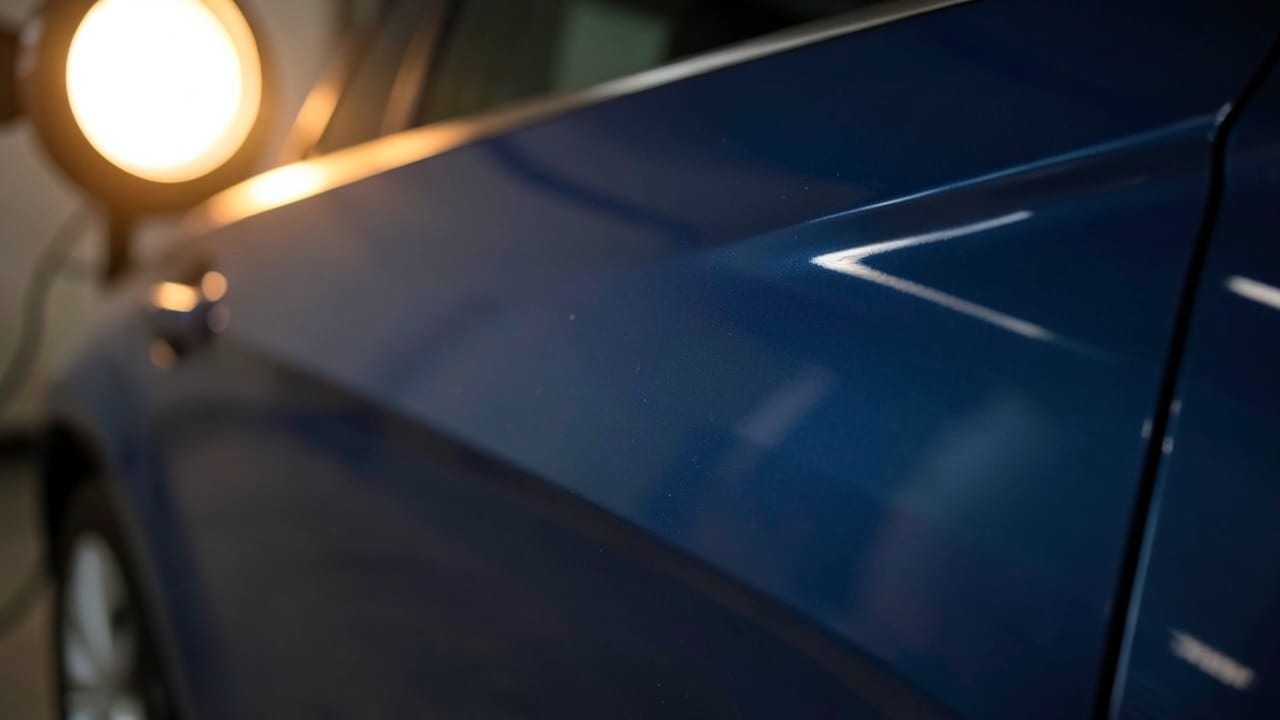
Clay Bar Paint Decontamination in San Jose, CA
Clay bar paint decontamination in San Jose, CA removes bonded surface contaminants a wash alone can't touch, before coating or correction.
Learn More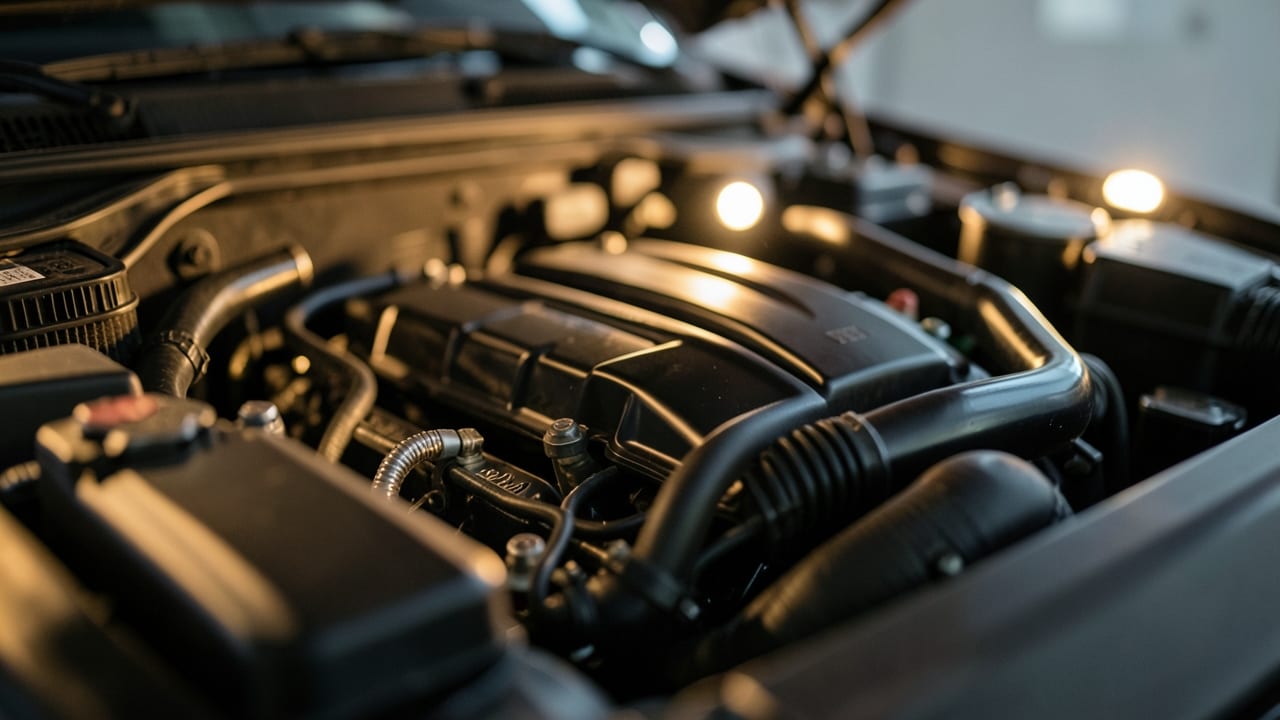
Engine Bay Detailing in San Jose, CA
Engine bay detailing in San Jose, CA — safe degreasing and dressing of the engine compartment without risking electrical components.
Learn More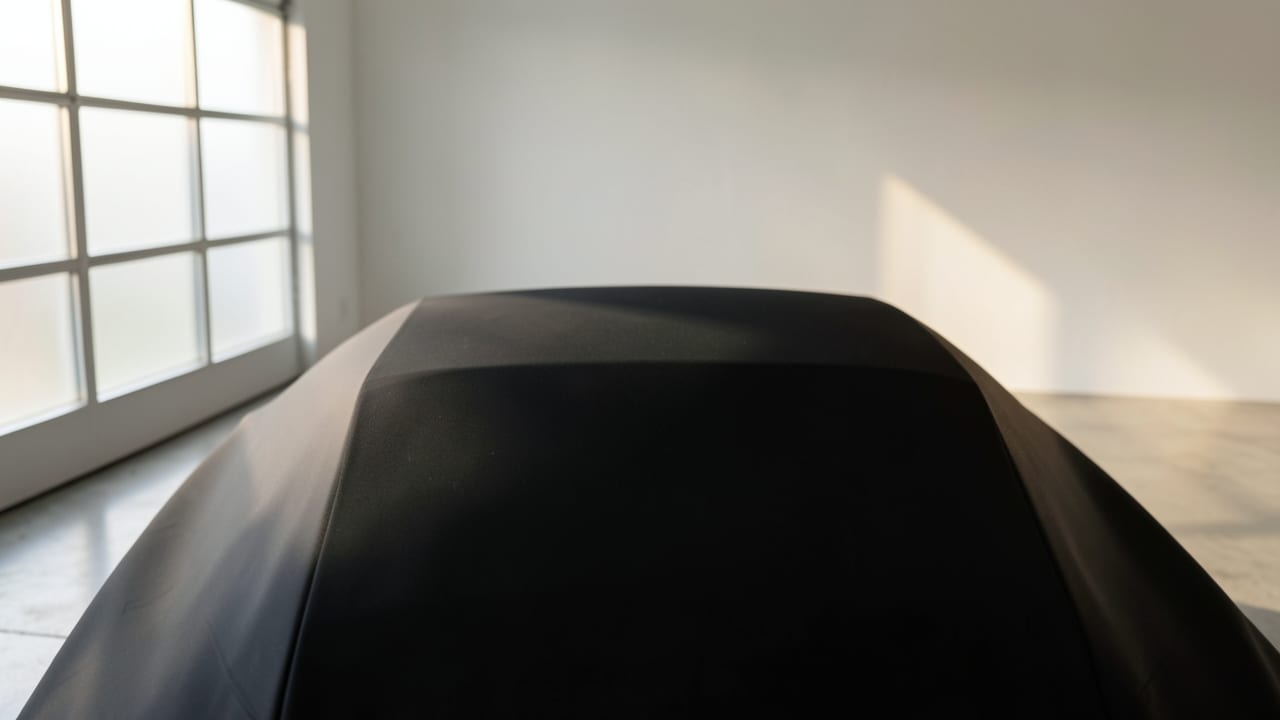
Vinyl Wrap Installation in San Jose, CA
Professional application of vinyl wraps to protect or customize vehicle surfaces.
Learn MoreCommon Questions About Ceramic Coating in San Jose
Everything you need to know about ceramic coating services in San Jose
How much does Overspray Removal typically cost in San Jose, CA?
Does intense UV and dust in San Jose, CA change coating maintenance?
How should a coated vehicle be washed after the coating is applied?
Will a ceramic coating stop rock chips or scratches?
What's the actual difference between wax, paint sealant, and ceramic coating?
Can ceramic coating be applied at home instead of by a detailing shop?
Need Ceramic Coating in San Jose?
Get a written quote from our San Jose crew.
⏰ We answer your call • Serving all of San Jose and surrounding areas